


Tucked away at the crossroads of Europe and Asia lies Georgia, a country with a winemaking heritage that dates back over 8,000 years. Despite its rich tradition and unique wine styles, Georgian wine remains a well-kept secret in the broader European market. As international wine enthusiasts continue to explore new and exciting flavors, Georgian wines are quietly emerging as a hidden gem that deserves more attention. This article explores why Georgian wines stand apart, from their ancient roots to their growing global appeal.
The Ancient Roots of Georgia’s Unique Wine Tradition
Georgia’s claim as the cradle of wine is backed by archaeological evidence, including the discovery of 8,000-year-old clay vessels used for fermenting grapes. This makes Georgian winemaking one of the oldest continuous traditions in the world. Unlike many modern wine regions, where winemaking techniques have evolved dramatically over centuries, Georgia has preserved many ancient methods, passing them down through generations. These traditions create a direct link between today’s bottles and the dawn of viticulture.
One of the most significant aspects of this tradition is the use of qvevri—large, egg-shaped clay vessels buried underground for fermentation and aging. This technique, recognized by UNESCO as an Intangible Cultural Heritage, imparts unique textures and flavors that cannot be replicated by modern steel or oak barrels. The qvevri method also fosters natural fermentation, allowing the wine to develop complex characteristics that resonate with the terroir and grape variety.
Moreover, the Georgian approach to winemaking is deeply intertwined with cultural rituals and celebrations. Wine is more than a beverage in Georgia; it is a symbol of hospitality, community, and spiritual connection. Supra, the traditional Georgian feast, showcases wine as a central element of social life, emphasizing the country’s reverence for its ancient craft. This cultural embeddedness enhances the story and appeal of Georgian wines on the international stage.
Historically, Georgia’s geographic isolation has also played a role in preserving its unique wine culture. While many European wine regions have undergone modernization and commercialization, Georgia remained relatively untouched by these forces for much of its history. This has allowed the traditional practices to flourish without dilution, resulting in wines with distinct profiles that stand apart from mainstream European varieties.
Despite centuries of challenges, including Soviet control and economic upheaval, Georgian winemakers preserved their heritage with resilience. After regaining independence, the country embarked on a mission to reintroduce its wines to the world, leveraging its ancient origins as a compelling story. Today, this narrative of survival and tradition adds depth to Georgian wine’s identity and allure.
In summary, Georgia’s ancient roots are not just a historical footnote—they are the foundation of a unique wine tradition that offers authenticity and depth. This heritage sets Georgian wines apart as an extraordinary discovery for anyone interested in exploring Europe’s lesser-known viticultural treasures.
How Terroir Shapes the Distinctive Flavor Profiles
Georgia’s diverse terroir plays a pivotal role in crafting wines with distinctive and vibrant flavor profiles. The country’s landscape is incredibly varied, with regions ranging from fertile river valleys to alpine foothills, all influenced by the Greater Caucasus and Lesser Caucasus mountain ranges. This geographic variety creates microclimates that nurture different grape varieties, each expressing unique characteristics tied closely to their environment.
The proximity to the Black Sea adds another layer of complexity to Georgia’s terroir. The sea moderates temperatures, providing a temperate climate that balances warm summers with mild winters. This climatic influence allows grapes to ripen fully while retaining natural acidity, which is essential for producing wines that are both flavorful and well-balanced. The interplay between warm sun and cool breezes is a subtle yet crucial factor in shaping the nuanced taste profiles.
Soil composition in Georgian wine regions also varies dramatically, ranging from volcanic rock to clay and limestone. These soil types contribute mineral notes and impact water retention, which affects vine health and grape concentration. For example, volcanic soils in Kakheti, the country’s premier wine region, lend a distinctive minerality and structure to the wines, enhancing their complexity and aging potential.
Furthermore, the traditional qvevri fermentation method interacts harmoniously with the terroir. By fermenting and aging wine underground in clay vessels, the wine undergoes a slow and gentle transformation that heightens texture and depth. This process allows the natural characteristics of the grapes and soil to shine through, creating a genuine expression of place.
Georgian terroir also fosters biodiversity in vineyards, encouraging sustainable practices and natural balance. Many winemakers emphasize organic farming, relying on indigenous yeasts and minimal intervention to preserve the authenticity of their wines. This respect for the environment and tradition helps maintain the purity and distinction of Georgian wines.
Ultimately, terroir is not just a backdrop but a living contributor to Georgian wine’s identity. It shapes the flavor profiles that captivate palates, offering something refreshingly different from the more homogenized wines found elsewhere in Europe. This intimate connection to land and climate is a key reason Georgian wines remain a best-kept secret.
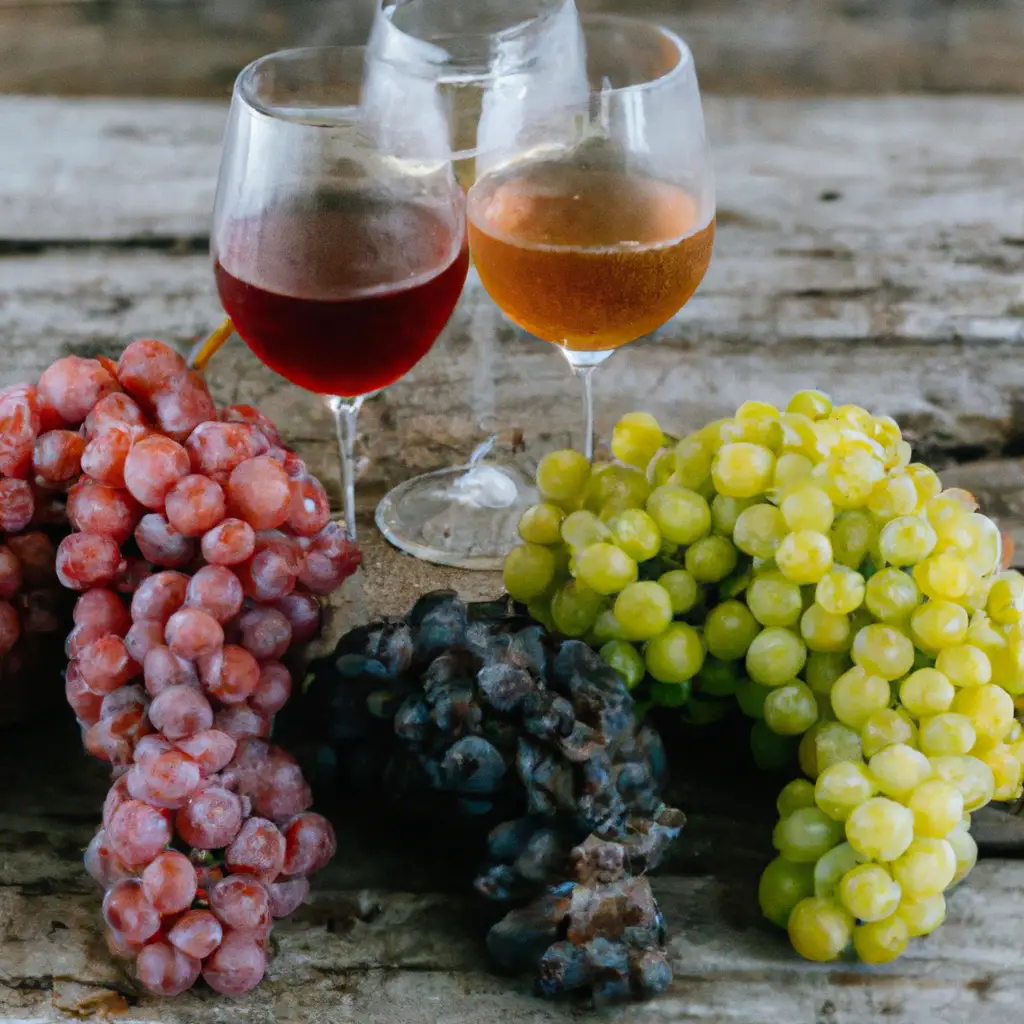
Georgian Grape Varieties You’ve Probably Never Tried
While the global wine market is dominated by familiar grapes like Chardonnay, Merlot, and Cabernet Sauvignon, Georgia boasts over 500 indigenous grape varieties, many of which are virtually unknown outside its borders. This incredible diversity provides a treasure trove of unique flavors and wine styles that defy conventional categorization and intrigue adventurous wine lovers.
One of the most celebrated Georgian varieties is Saperavi, a dark-skinned grape known for producing deeply colored, robust red wines with pronounced acidity and soft tannins. Saperavi offers flavors of dark berries, chocolate, and earthy spices, making it versatile for both early drinking and aging. Its bold character stands in contrast to many European reds, presenting an exciting alternative for red wine enthusiasts.
Another fascinating grape is Rkatsiteli, one of the oldest white grape varieties in the world. It produces wines with crisp acidity, floral aromas, and hints of green apple and quince. Rkatsiteli is often used in qvevri wines, where it gains a slightly tannic structure and complexity uncommon in white wines. This results in a textured, savory profile that challenges traditional white wine expectations.
Mtsvane, a white grape from eastern Georgia, offers fresh, vibrant wines with citrus and tropical fruit notes. It is frequently blended with Rkatsiteli to balance acidity and add aromatic complexity. For those seeking aromatic white wines with a distinctive twist, Mtsvane is a variety worth discovering.
On the red side, grapes like Kisi and Ojaleshi provide additional layers of diversity. Kisi is prized for its finesse and aromatic intensity, often yielding wines with floral and honeyed notes. Ojaleshi, native to western Georgia, produces wines with bright acidity and moderate tannins, featuring flavors of cherries, herbs, and spice.
This vast array of indigenous grapes means that Georgian wines do not conform to familiar European categories, offering unique tasting experiences that expand wine lovers’ horizons. These varieties reflect the country’s rich biodiversity and centuries-old cultivation practices, making Georgian wine an exploration into the unknown.
For consumers and sommeliers alike, the challenge and delight lie in discovering these grapes and understanding their nuances. As Georgian wines become more accessible, they invite a reconsideration of what European wine can be—diverse, ancient, and wholly original.
Rising Popularity: From Local Tables to Global Markets
In recent years, Georgian wines have begun to shed their obscurity, gaining traction from local tables to international markets. This rise in popularity is driven by a combination of factors, including globalization, changing consumer tastes, and concerted efforts by Georgian producers to promote their heritage and quality.
One catalyst has been the increasing global demand for authentic, artisanal products with strong stories behind them. Georgian wines, with their ancient lineage and traditional winemaking methods, fit perfectly into this niche. Wine enthusiasts and sommeliers seeking unique and authentic experiences view Georgian wine as a refreshing departure from the standardized offerings dominating the shelves.
The export landscape has also evolved, with Georgian wines entering key European markets such as France, Germany, and the United Kingdom. Wine fairs and international competitions have introduced these wines to a broader audience, generating curiosity and appreciation. Social media and wine influencers further amplify awareness, showcasing Georgian wine’s distinctiveness to a global audience.
Moreover, improvements in winemaking technology and quality control have enabled Georgian producers to meet international standards while preserving their traditional practices. This balance of innovation and heritage ensures that Georgian wines appeal both to purists and modern consumers, broadening their market potential.
Domestically, the wine culture is flourishing, with wine tourism becoming a significant industry. Visitors to Georgia are drawn to the authentic experience of wine tastings in ancient cellars and traditional supra feasts. This firsthand exposure helps spread the word internationally, as travelers return with newfound enthusiasm for Georgian wine.
Looking ahead, the trajectory for Georgian wine is promising. With increasing recognition and a growing base of loyal consumers, Georgian wines are poised to transition from a niche curiosity to a prominent player in the European market. Their unique heritage and flavors provide a compelling alternative that enriches the continent’s wine landscape.
Georgian wines embody a captivating blend of history, terroir, and biodiversity that sets them apart from more mainstream European offerings. Their ancient roots, shaped by unique winemaking traditions and a rich variety of indigenous grapes, create wines that are as complex as they are authentic. As global interest in artisanal and distinctive wines grows, Georgia’s viticultural treasures are finally stepping into the spotlight. For wine lovers eager to explore beyond the familiar, Georgian wines represent Europe’s best-kept secret—a secret that is increasingly hard to keep.


